📋 Article Overview
Why Manipulation Is Easier Online
Online communication strips away many of the cues that help us read people accurately — tone of voice, facial expression, the consistency between what someone says and how they behave over time. This makes it easier for manipulative people to present a carefully constructed version of themselves while hiding inconsistencies.
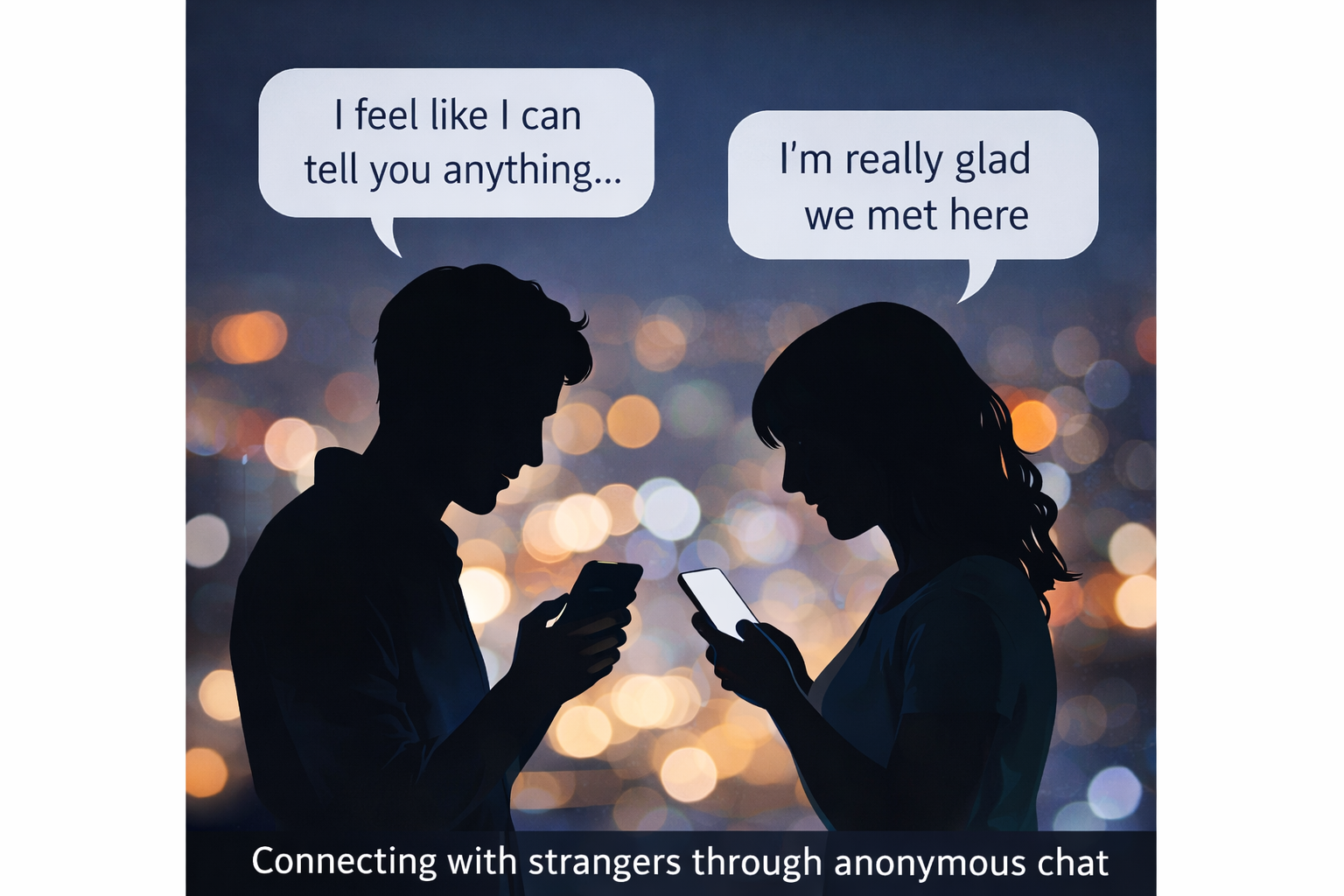
The pace of online relationships also accelerates emotional intimacy. People share deeply and quickly, which feels exciting but also bypasses the natural process where trust is earned over time. Manipulation thrives in this accelerated environment, where feelings outrun actual knowledge of the person.
Understanding the common tactics is the single best defense. Manipulation depends on not being recognized. Once you can name what's happening, it loses most of its power.
Love Bombing: Too Much, Too Fast
Love bombing is an overwhelming flood of affection, attention, and intensity early in a relationship. Within days, the person may be calling you their soulmate, talking about a future together, or insisting that they've never felt this way about anyone. It feels intoxicating — and that's the point.
The problem is that genuine intimacy can't develop that fast. Real connection is built through accumulated experience, not declared into existence in week one. Love bombing creates an artificial sense of closeness designed to lower your defenses and create dependency before you've had time to evaluate the person clearly.
The warning sign: intensity that doesn't match the actual length or depth of the relationship. If the emotional temperature feels disproportionate to how little you actually know each other, slow down and pay attention.
Guilt-Tripping and Obligation
Manipulative people are skilled at making you feel responsible for their emotions. "I waited up all night for you to message" or "I guess I just care more than you do" or "After everything I've shared with you, this is how you treat me" — these statements transfer the burden of their feelings onto you.
Healthy people express needs directly without weaponizing guilt. "I'd love to hear from you more often" is a request. "You clearly don't care about me or you'd reply faster" is manipulation. The difference is whether you're being invited to respond freely or pressured to comply to avoid feeling like a bad person.
Watch for a pattern where you constantly feel like you owe the other person something, or where setting any boundary triggers an outsized emotional reaction designed to make you back down.
Gaslighting in Text
Gaslighting is making someone doubt their own perception of reality. In text, it often looks like denying things that were clearly said ("I never said that — you're imagining things"), reframing your reasonable reactions as overreactions ("you're being way too sensitive"), or rewriting the history of a conversation.
Text actually gives you an advantage here that in-person interaction doesn't: there's a record. If someone insists they never said something, you can often scroll back and see exactly what was said. Trust the record over their reframing. If someone consistently makes you feel like you're "crazy" or "overreacting" for having normal responses, that's a serious red flag.
The Isolation Tactic
Manipulators often work to position themselves as the only person who truly understands you, while subtly undermining your other relationships. "Your friends don't get you like I do" or "I'm the only one who's really there for you" or expressions of jealousy when you spend time with others.
The goal is to make you increasingly dependent on them and less connected to the people who might notice something is wrong. Isolation removes the outside perspective that would otherwise help you see the manipulation clearly.
A healthy connection makes your whole life richer — it doesn't compete with your other relationships. If someone seems to want to be your entire world, or reacts badly to your other connections, take that seriously.
How to Protect Yourself
Practical safeguards against online manipulation:
- Pace yourself: Let the relationship develop at a natural speed. Resist pressure to escalate emotional intimacy faster than feels right.
- Keep your other relationships strong: Don't let any one online connection pull you away from friends and family who know you well.
- Trust your discomfort: If something repeatedly feels off — even if you can't articulate why — that instinct is information. Don't override it to be polite.
- Notice patterns, not just moments: Anyone can have a bad day. Manipulation shows up as a consistent pattern of guilt, pressure, and reality-distortion over time.
- Remember you can always leave: On an anonymous chat platform, you owe no one continued engagement. The ability to walk away is your ultimate protection.
Most people you'll meet online are genuine. But knowing the warning signs means that when you do encounter manipulation, you'll recognize it early — before it has a chance to take hold.