📋 Article Overview
Why Online Trust Is Different
In person, trust leans heavily on physical cues — eye contact, tone, body language. Online, those are gone, so trust is built almost entirely through words and behaviour over time. This can make it slower to feel certain about someone, but it can also make the trust deeper, because it's based on what people actually say and do rather than how they appear.
Consistency Is the Foundation
The single biggest driver of online trust is consistency. Does the person show up the way they said they would? Does their story stay coherent? Do they treat you the same on a bad day as a good one? Trust isn't created by one grand gesture — it accumulates through dozens of small moments of reliability.
The Rhythm of Reciprocal Disclosure
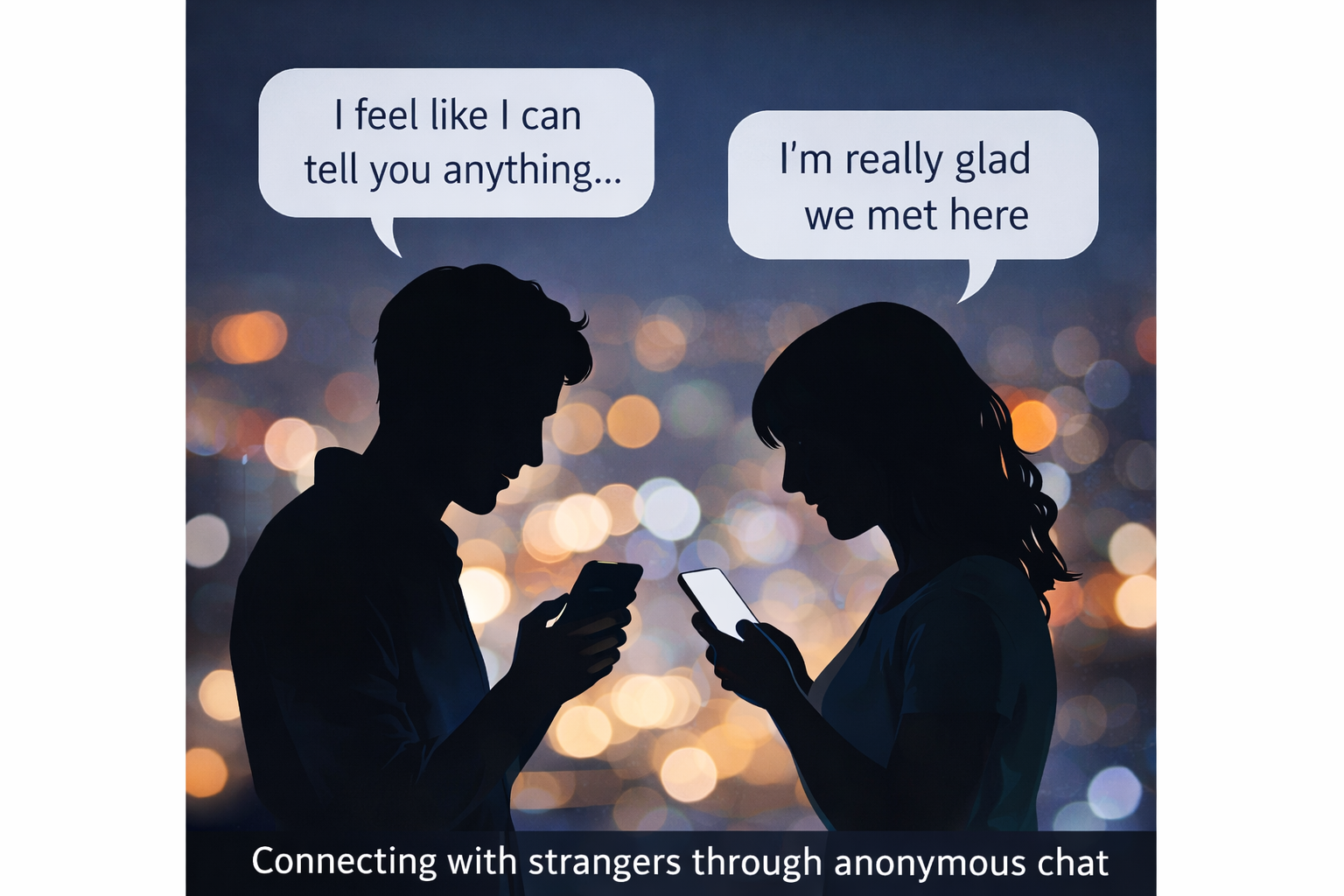
Trust deepens through a back-and-forth of opening up. One person shares something slightly personal; the other meets it with something equivalent; the level of safety rises a step. Healthy trust follows this rhythm. Be wary when someone pushes for deep disclosure while sharing nothing themselves, or when the pace feels rushed in a way that's more about pressure than connection.
Reading Red Flags Honestly
Building trust doesn't mean ignoring your instincts. Inconsistencies in their story, pressure to move faster than you're comfortable with, requests for things you're not ready to give — these are worth taking seriously. Trusting someone wisely includes paying attention to the signals that say "slow down." Real connection can withstand you setting a comfortable pace.
What Trust Actually Looks Like Week by Week
Trust online rarely arrives in a single moment — it accumulates in small, boring proofs. A realistic arc looks something like this:
- First few chats: they remember what you said last time and pick the thread back up. Low stakes, but it signals attention.
- A week or two in: they share something a little vulnerable and don't immediately ask you to match it. Trust grows when disclosure isn't a transaction.
- Around the first month: a plan holds. They said they'd message after work and they did — the small promise kept is worth more than any grand declaration.
The fastest way to break this is also the quietest: performing a version of yourself you can't sustain. Exaggerating your job, your life, or how "fine" you are creates a gap you'll eventually have to defend, and defending a small lie is what turns a promising connection cold. Being ordinary and consistent beats being impressive and inconsistent every time.
Letting Trust Set Its Own Pace
There's no fixed timeline. Some online connections feel trustworthy within days; others take months. Resist the urge to force certainty before it's earned. Let consistency, honesty, and mutual care do their work, and let your sense of trust grow at the speed the relationship actually supports. The strongest online bonds are the ones that were allowed to build slowly and honestly.